What a Deck Withstands at Over 50 Knots
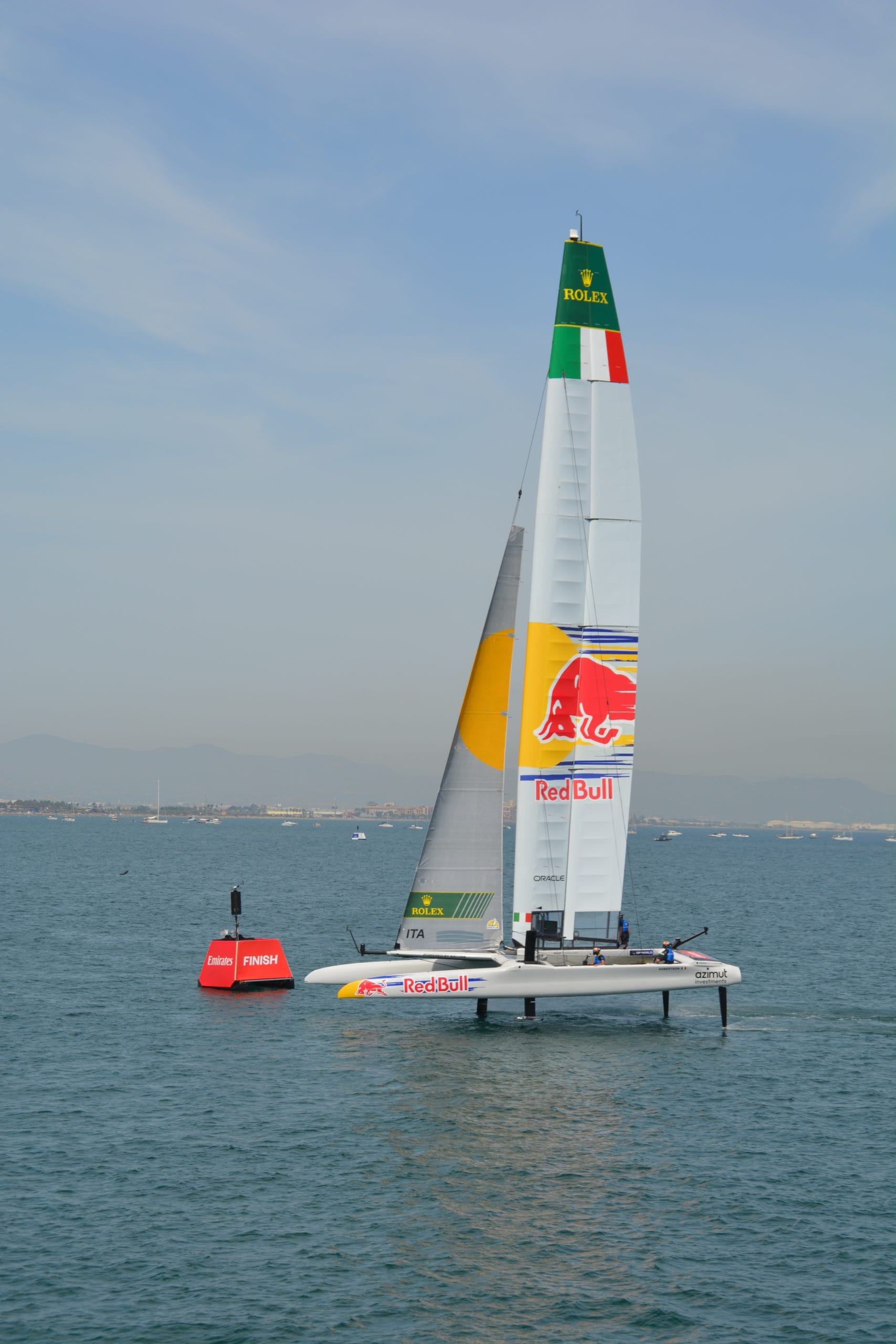
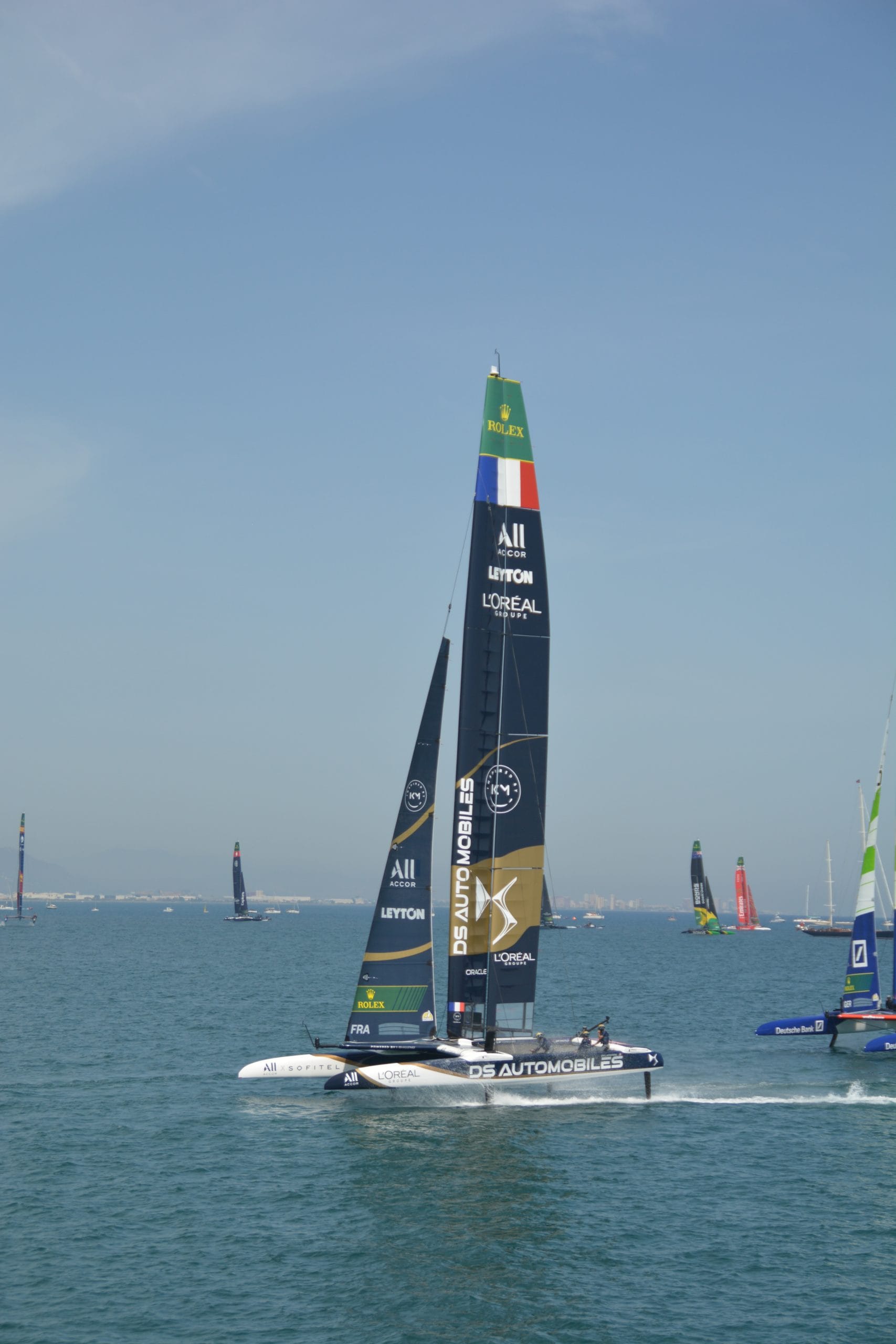
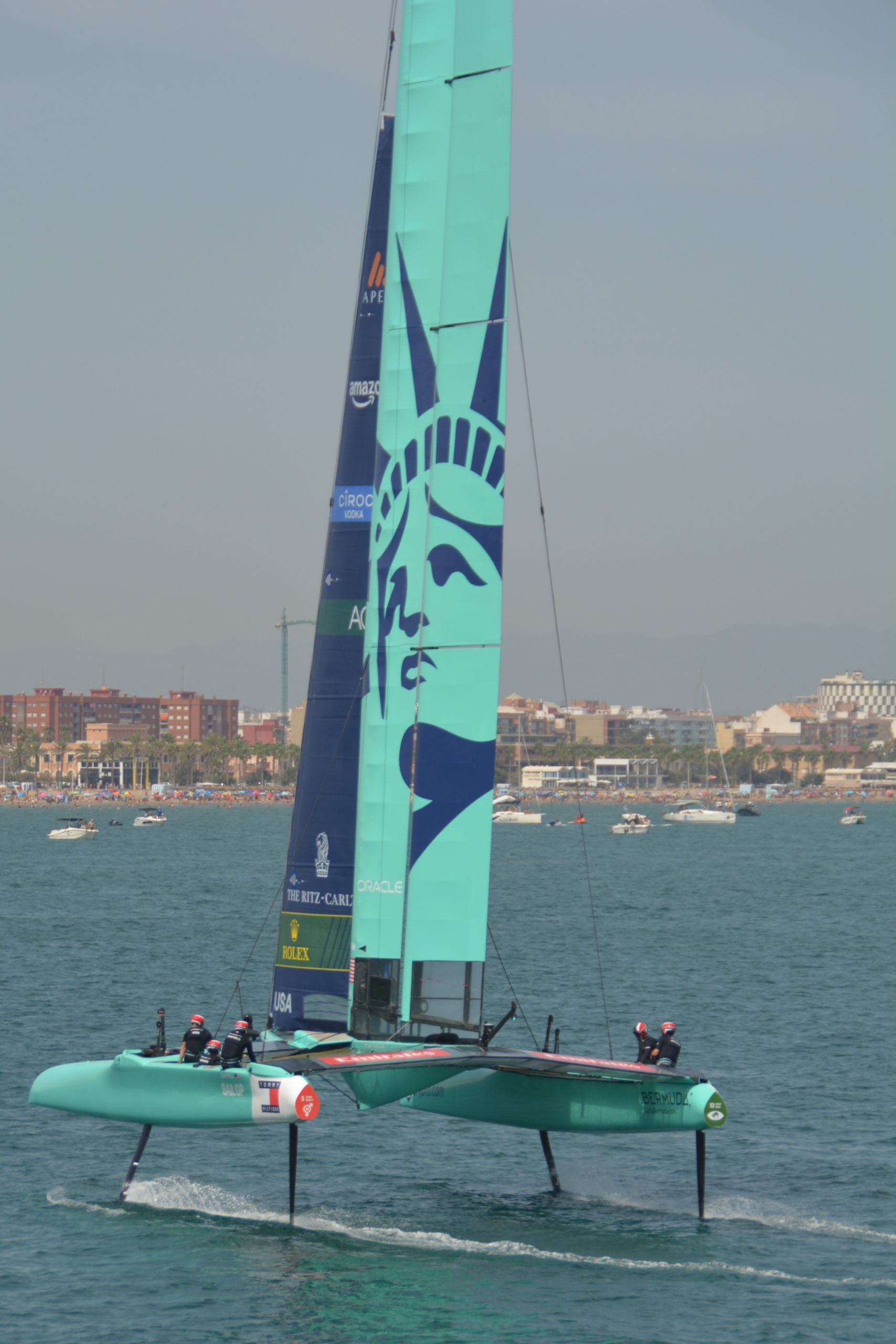
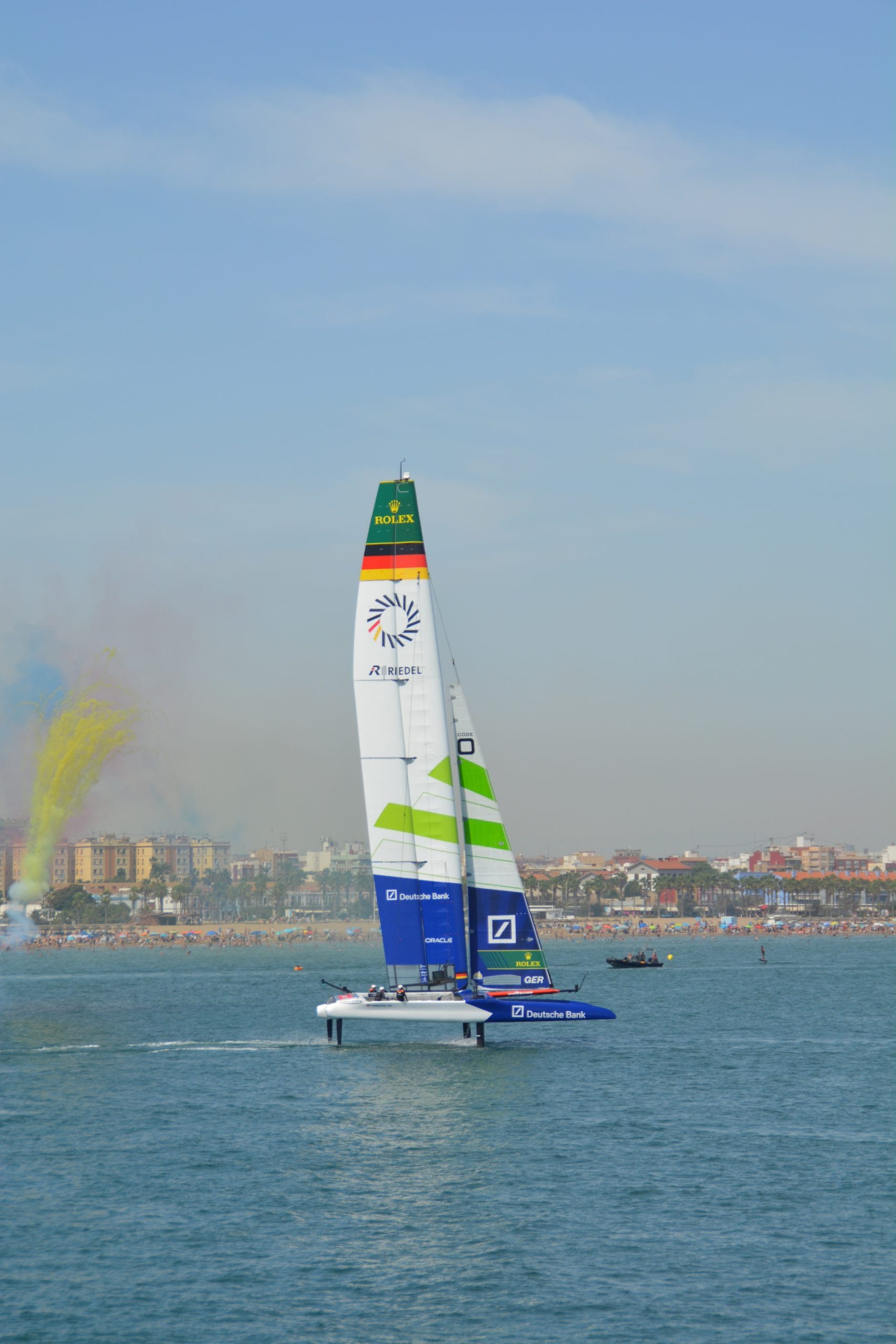
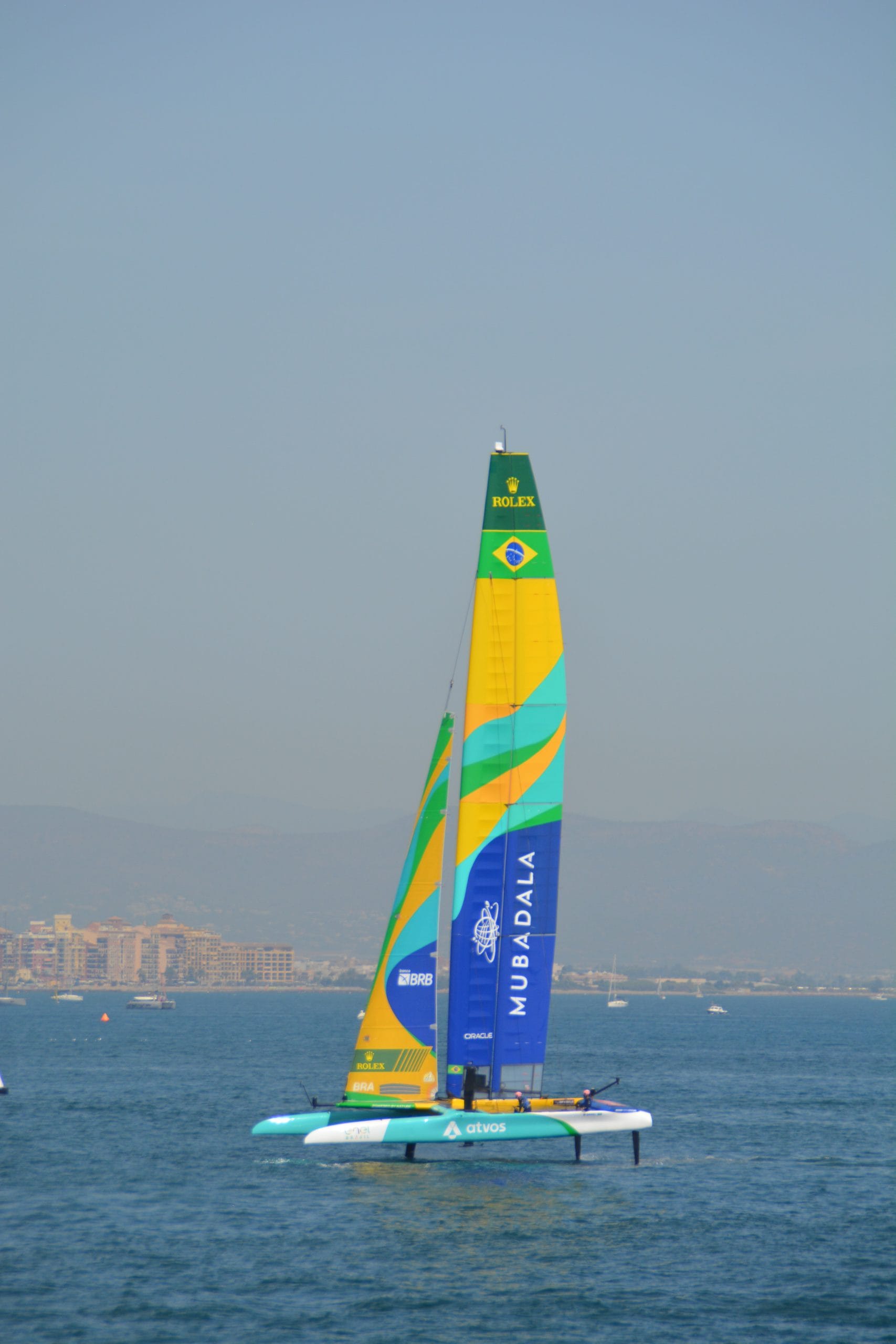
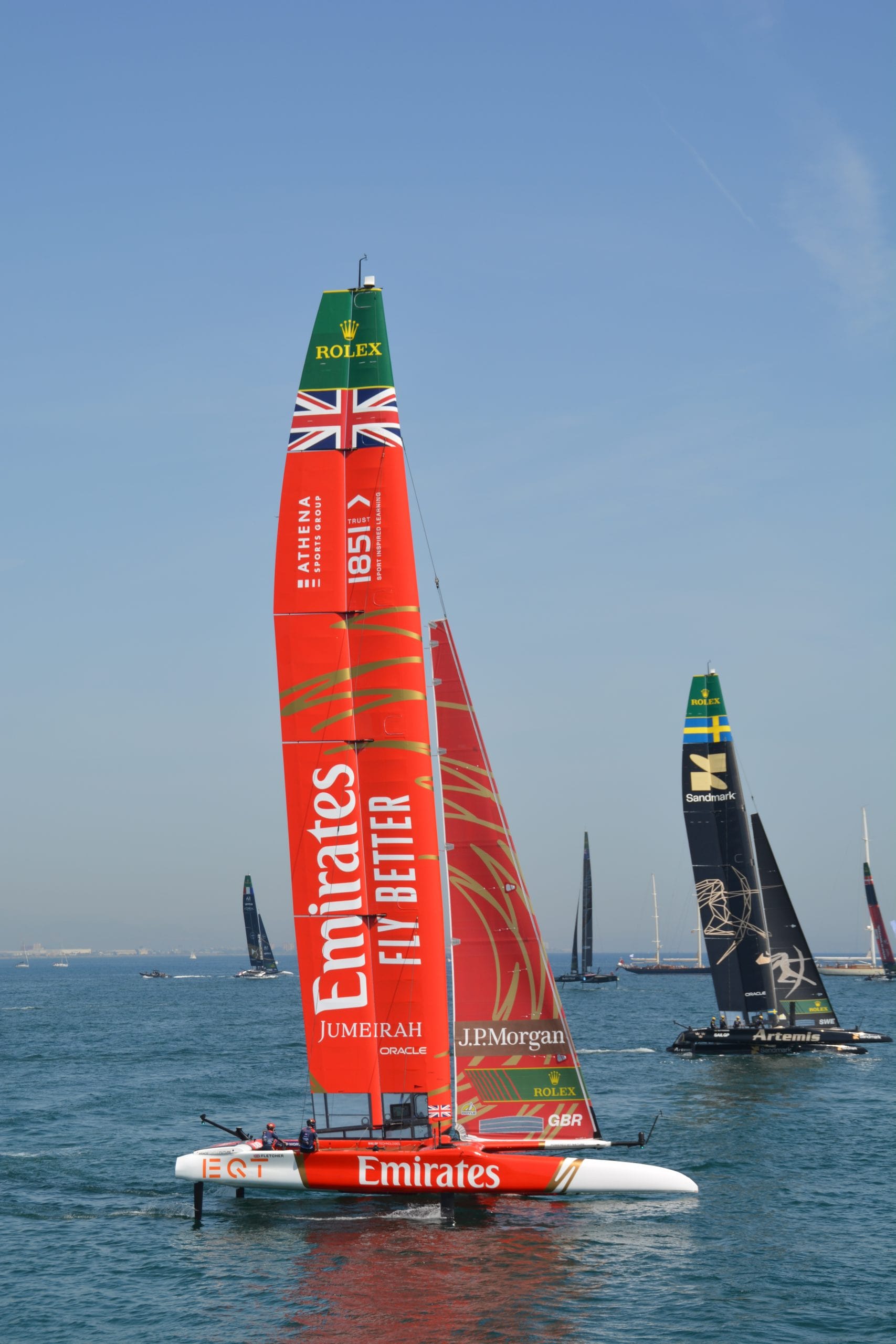
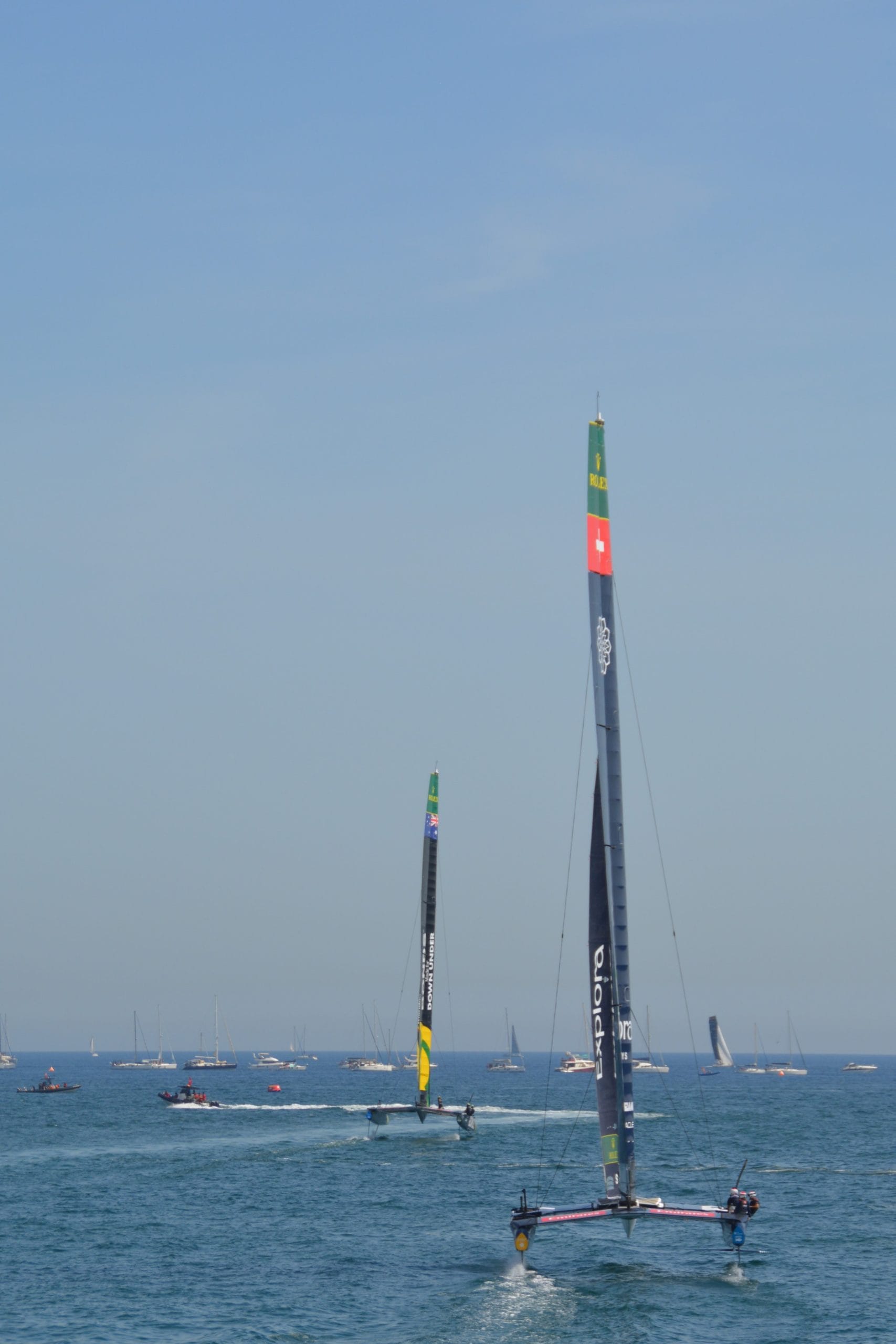
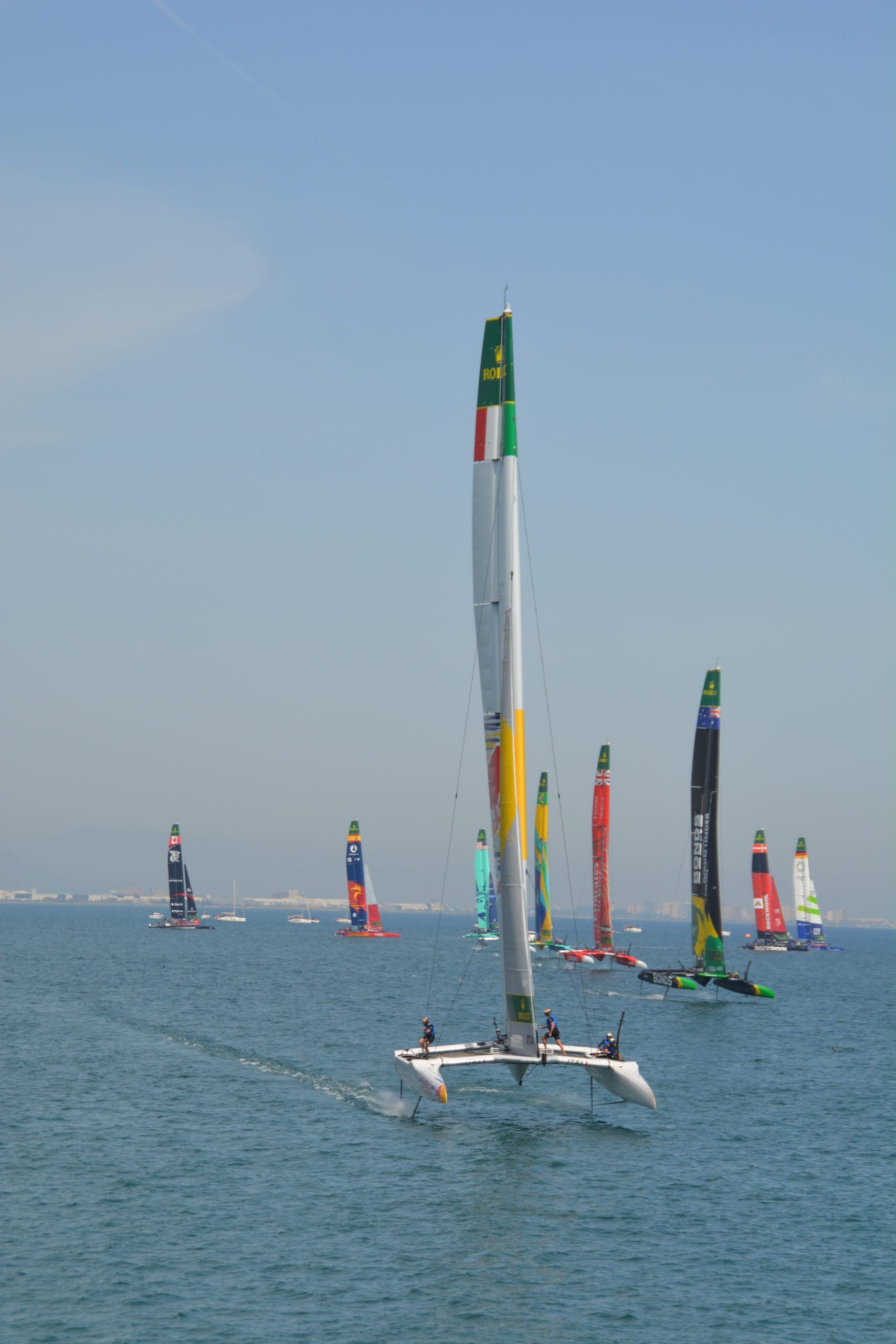
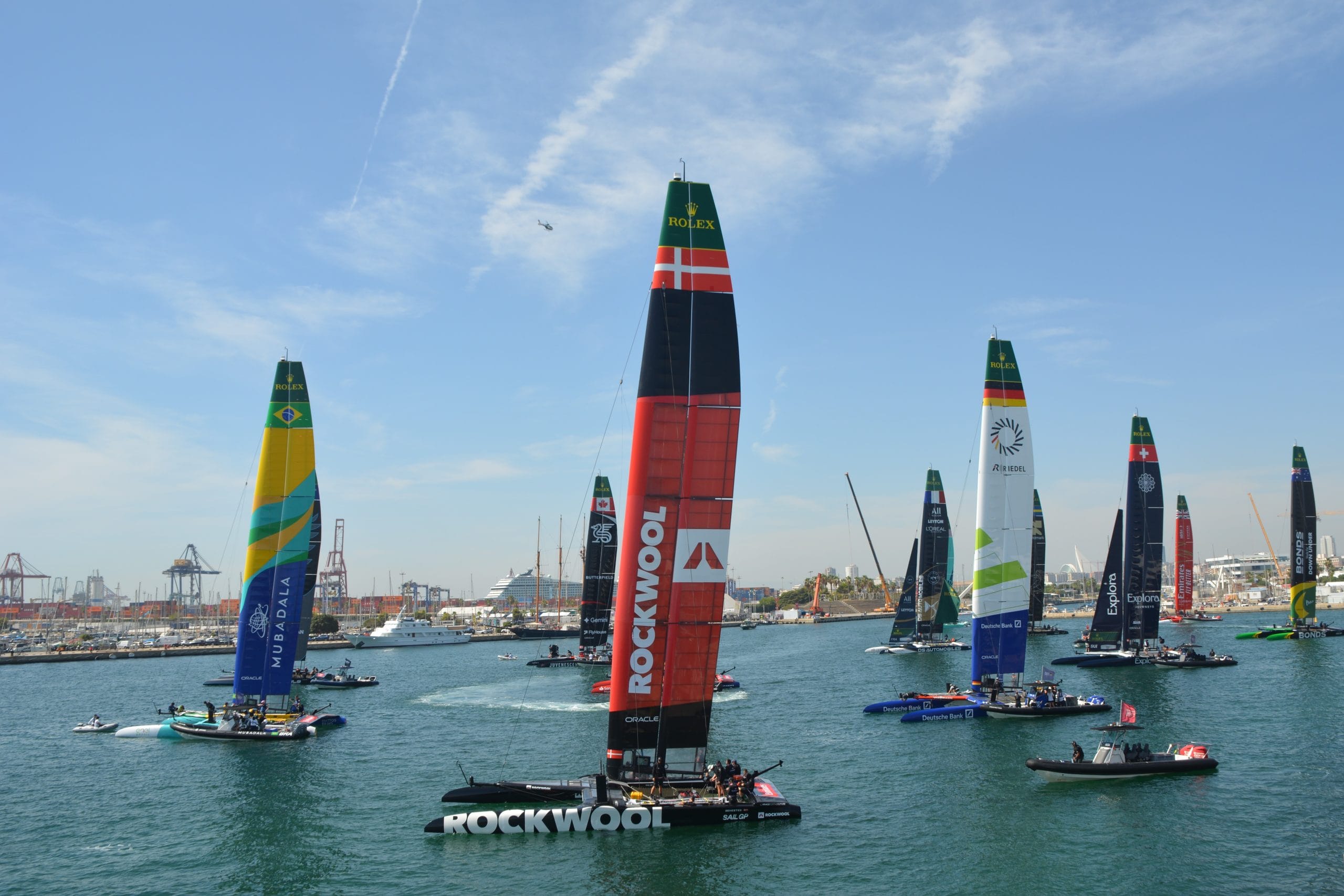
Valencia hosted its first SailGP circuit event this weekend: thirteen international teams competing with F50s in the waters between the beach and the port breakwater.
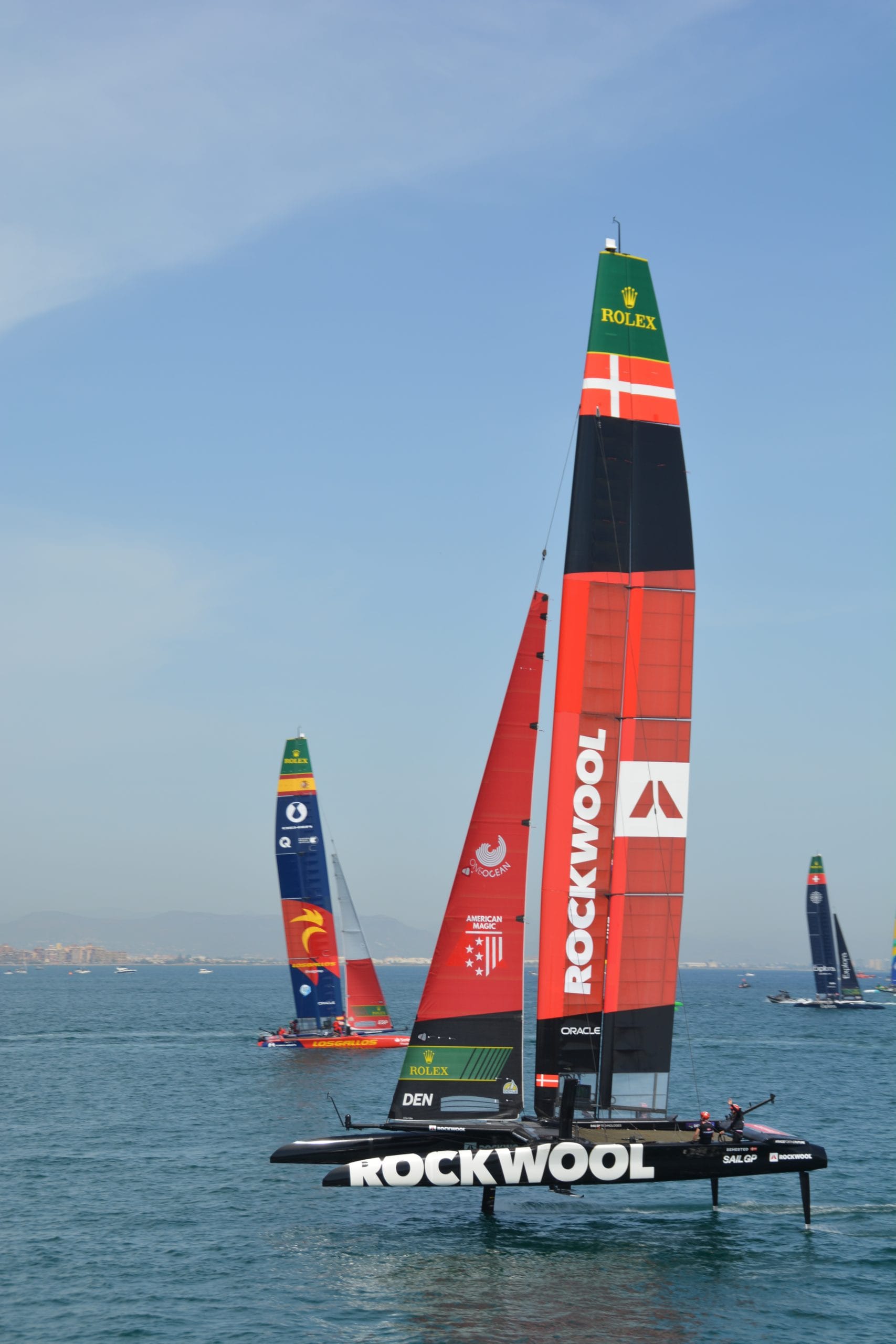
We were there, invited by the Danish ROCKWOOL team, and took the opportunity to see our material performing in one of the toughest environments out there.
What an F50 Deck Withstands
F50s are foiling catamarans that exceed 50 knots, nearly 90 km/h. But what truly punishes their deck isn’t so much the speed as everything else that happens simultaneously.
The crew crosses from one side to the other in maneuvers lasting seconds, on a wet, heavily heeled surface, enduring continuous impacts. In competition, this demands two things without excuse.
The first is weight. On a platform designed to fly, every gram counts. Closed-cell EVA foam weighs much less than teak and, because it doesn’t absorb water, it doesn’t gain weight during the race, no matter how much water comes aboard.
The second is wet grip. With the boat at 45 knots and three-second maneuvers, no one can afford a slip.
These are the same two reasons why a boat owner eventually changes their boat’s deck. In the SailGP, they are just much more exaggerated.
We also had the chance to spend time with members of the SailGP management team, exchanging ideas and discussing the role SeaDek can continue to play within the championship.
A fantastic weekend combining innovation, performance, sailing, and outstanding professionals.
A weekend of light winds and a Danish finish
Conditions did not cooperate: the light wind forced the fleet to run the light-air configuration, with titanium foils and the 27.5-metre wing, and to shorten the race programme.
Taylor Canfield’s US SailGP Team took the Grand Prix after beating the Australian Bonds Flying Roos in the final.
And there was a third place that was especially satisfying for us: the ROCKWOOL Denmark SailGP Team completed the podium and reached its first final since joining the circuit.
The Spanish team led by Diego Botín was in the lead after Saturday but missed the final in a very tough qualifying race, despite two first-place finishes.
What we took away from it
Beyond the atmosphere, the value of the weekend lay in the conversations. We were able to meet with several of the teams carrying SeaDek aboard their F50s and hear first-hand their impressions of how the material performs in competition.
We also had the chance to spend time with members of the SailGP management team, exchanging ideas and discussing the role SeaDek can continue to play within the championship.
That information goes straight back to the factory. What we learn from an F50 ends up influencing how we design the deck of a leisure boat.
From the F50 to your boat
The difference between a SailGP catamaran and a leisure craft is enormous. The material is not.
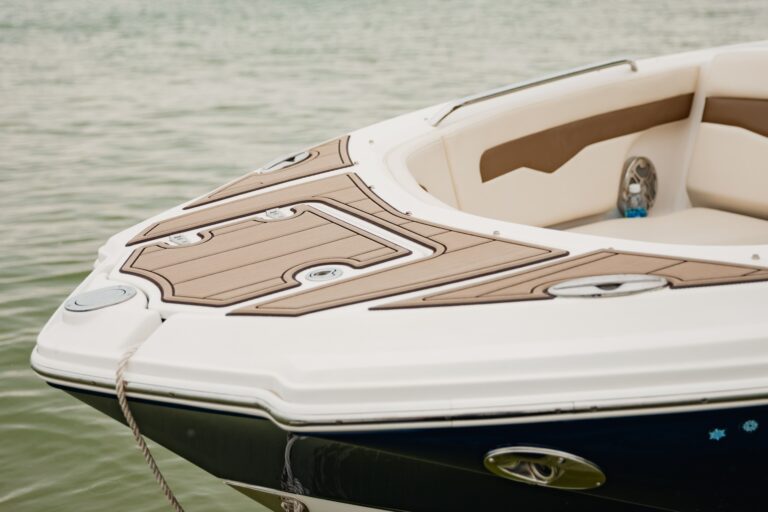
It is the same closed-cell EVA foam copolymer, custom-cut with the same technology and manufactured in Spain. What changes is the design, thickness, and finish, which are tailored to each boat and each use.
Thank you to Hans-Christensen Rosendahl, Tom Johnson, and the entire ROCKWOOL Denmark SailGP Team for the invitation and hospitality and congratulations on that podium. And thank you as well to the teams and SailGP organisation members who took the time to meet with us.
See you on the water